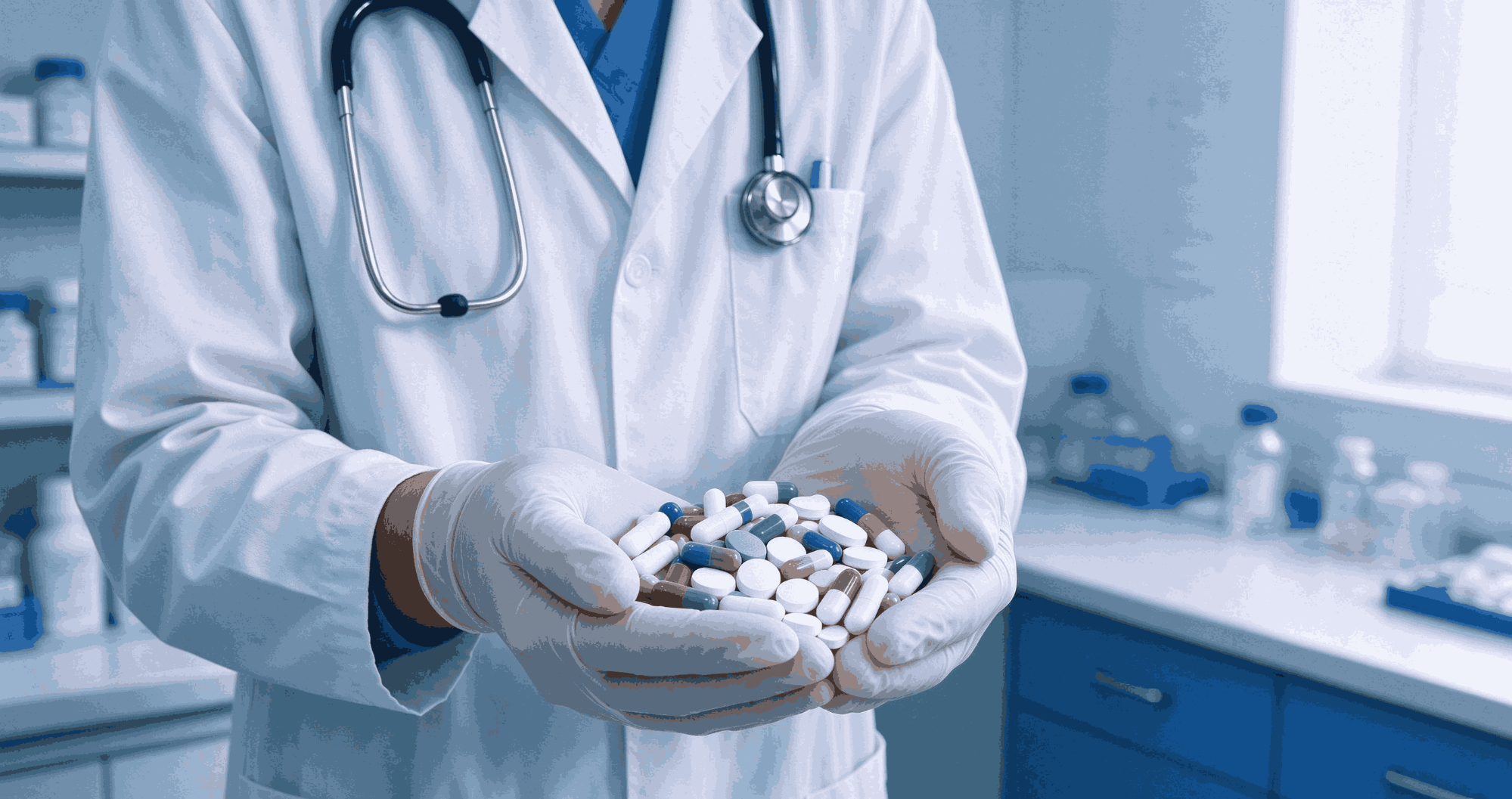
Antibiotics are among the most important discoveries in the history of modern medicine. Since the introduction of penicillin in the 1920s, these medicines have transformed healthcare, saving countless millions of lives by treating bacterial infections such as pneumonia, sepsis, tuberculosis and meningitis. They have also made routine medical procedures dramatically safer — surgery, childbirth, chemotherapy and organ transplantation all depend on effective antibiotics to prevent and treat infections. Put simply, modern medicine as we know it would not be possible without them.
Yet this hard-won progress is now under serious threat from a phenomenon called antimicrobial resistance (AMR). AMR occurs when bacteria evolve and adapt, becoming resistant to the drugs designed to kill them. As resistant strains multiply and spread, the antibiotics that once worked reliably become ineffective. The WHO has consistently described AMR as one of the most urgent global health threats of our time, warning that without coordinated action, we risk returning to an era in which common infections are difficult or impossible to treat, and routine procedures become far more dangerous.
The root cause of AMR is the misuse and overuse of antibiotics. It is important to understand what antibiotics actually do: they act only against bacteria, and have no effect whatsoever on viruses. This means antibiotics are useless — and harmful — when taken for the common cold, most sore throats, the seasonal flu, or viral gastroenteritis. When people take antibiotics for a viral illness, the medicine provides no benefit to the patient, but it does place selective pressure on the bacteria living in and around us, encouraging resistant strains to emerge and survive. Over time, misuse selects for "superbugs" that are harder, slower and sometimes impossible to treat, leading to longer hospital stays, higher medical costs and a greater risk of death.
Responsible use of antibiotics rests on a set of clear and practical principles. First, antibiotics should be taken only when a qualified healthcare professional has prescribed them, and only when a genuine bacterial infection has been identified. Second, the full prescribed course should always be completed, even if symptoms begin to improve early — stopping too soon can leave the most resistant bacteria behind to multiply. Third, antibiotics should never be shared with others, saved for later, or taken from the leftovers of a previous illness. Fourth, patients should avoid self-medication and never obtain antibiotics without a valid prescription. Fifth, many infections can be prevented in the first place through simple habits such as regular handwashing, good hygiene, safe food handling, and staying up to date with recommended vaccinations. Prevention is always better than treatment, and every infection avoided is one less opportunity for resistance to develop.
Beyond individual responsibility, the fight against AMR requires coordinated action across society. Healthcare professionals must prescribe antibiotics judiciously and educate patients; pharmacists should dispense them correctly and counsel on proper use; farmers and the veterinary sector must reduce the routine use of antibiotics in healthy animals; and governments and regulators need to strengthen surveillance, stewardship and public awareness. The pharmaceutical industry also plays a role — from responsible manufacturing practices to supporting the research and development of new antibiotics and alternative therapies.
Antimicrobial resistance is sometimes called a "silent pandemic" because it develops gradually, beneath the surface of everyday life. But its consequences are real and growing. Around the world, drug-resistant infections already claim hundreds of thousands of lives each year, and that number is expected to rise sharply if current trends continue. The good news is that resistance is not inevitable: it is largely driven by human behaviour, and therefore largely preventable. Everyone who uses antibiotics wisely — only when needed, exactly as prescribed, and completing the full course — is contributing to keeping these life-saving medicines effective for generations to come. In the end, responsible use of antibiotics is not just a personal choice; it is a shared responsibility that protects the health of every one of us.